The Internet of Things: Open intelligence through citizen action
The Internet of Things is a rather old story within the web. But through simple, low-cost technology such as RFID chips (Radio Frequency Identification Tags) volunteers worldwide gain another potentially powerful monitoring instrument. Such crowdsourcing efforts can unseal environmental damage, give valuable data to advocacy organizations and development projects.
Internet of Things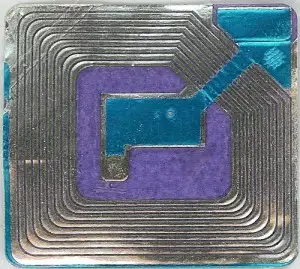 Originally, the Internet of Things was thought for modern household. Household appliances are connected to the Internet, so that the refrigerator sends out a message when it is running out of orange juice or eggs, for example. Not surprisingly this advancement in technology has not made a big impact nor made it to the daily life of millions as yet. Such technology are RFID chips, which are low-cost, simple stickers, which can be put on commodities.
Things become connected Businesses such as logistic enterprises use them to follow each article or package easily. These little stickers can store information. So, for example, logistic companies use them to document the travel route of a package. You only need to scan the piece within the range of a few meters and then see where it comes from. Environmentalists use the same technology to monitor the route that logged down trees from the rainforest take.
Barcoding to save the tropical forest According to TreeHugger: Will Barcoding Trees Save Tropical Forests? This video shows how these barcodes can be used to find out where trees are really originally from and whether they are protected or illegally cut down. In this case, however, it is offered by a company. Of course, such barcodes can be removed, but they can also be as small as only a few millimeters.
Crowdsourcing transparency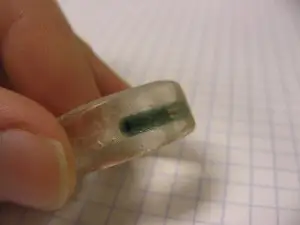 Imagine that volunteers worldwide could check how products go along the supply chain. Another interesting project in this regard is Sourcemap, a collective tool for transparency and sustainability, which is looking into the unsealing of the supply chain of products. But this does not only have to be done through radio frequency identification technology. A project called Citizen Water works with inexpensive water quality test kits. Here, people check across any country the water quality, and then map the results in a transparent way in the Internet, to show the different levels of water quality in different areas.
So far, this technology has been used mainly by businesses or governments. Nowadays, more and more governments are planning on adding it to passports. Regarding privacy, these attempts are quite scary, since you as a customer or citizen cannot control what gets on or off thes echips nor who can or cannot read the stored information. It is time to use such technology for openness.